
There is nothing quite as frustrating on a hot summer day as walking up to your thermostat, expecting a blast of icy relief, only to realize your home feels like a sauna. You walk over to the register, feel air coming through, but it’s warm or, at best, lukewarm.
If your air conditioner is blowing air but not cooling your house, you’re dealing with the ultimate summer tease: a system that’s half-working while your indoor temperature keeps climbing. The good news? The blower fan is working. The bad news? Your system is failing to transfer heat out of your home.
From simple thermostat slip-ups to complex refrigerant leaks, here is a complete guide to why your AC is blowing warm air, how to troubleshoot it step-by-step, and when it’s time to call in the professionals for expert air conditioning repair.
The Basics: How Your AC Is Supposed to Cool Your Home
To understand why your air conditioner is blowing warm air, it helps to understand how it produces cool air in the first place. Your central AC doesn’t actually “create” cold air; it removes heat and humidity from the indoor air and dumps it outside.
- Indoor Evaporator Coil: Liquid refrigerant absorbs heat from your home’s air as it passes over the indoor coil.
- Compressor: Located in the outdoor unit, the compressor pumps the heated refrigerant gas outside.
- Outdoor Condenser Coil: The outdoor coil and fan release that trapped heat into the surrounding outside air.
- Blower Fan: Pushes the newly chilled air back through your ductwork and into your rooms.
When your system blows air without cooling, the blower fan (step 4) is doing its job, but something in the heat transfer process (steps 1–3) has broken down.
11 Common Causes of an AC Blowing Warm Air
Here are the most common culprits behind an air conditioner that runs continuously without dropping the temperature.

1. Clogged or Filthy Air Filter
A saturated air filter chokes off airflow. When air can’t move freely across the evaporator coil, the system cannot absorb heat efficiently. A dirty filter “makes your system work twice as hard while delivering half the comfort.” Furthermore, restricted airflow can cause the indoor coil to freeze, compounding your cooling problems.
2. Thermostat Set Incorrectly or “Fan Only”
It sounds simple, but double-check your thermostat. If the fan setting is set to “ON” instead of “AUTO,” the blower fan will run non-stop—even when the outdoor unit’s compressor is cycled off. This causes the system to blow unconditioned, room-temperature air through your vents between cooling cycles.
3. Low Refrigerant (Refrigerant Leak)
Refrigerant is the lifeblood of your AC. It operates in a closed loop, meaning it should never run out or evaporate. If your system is low on refrigerant, there is a leak. Symptoms include an AC that runs non-stop, warm air from the vents, high indoor humidity, and a hissing or bubbling sound near the copper lines.
Important: Never simply “top off” refrigerant without finding and fixing the leak. Refrigerant handling requires specialized equipment and EPA certification.
4. Frozen Evaporator Coil
If restricted airflow (from dirty filters or closed vents) or low refrigerant prevents heat from reaching the coil, moisture on the coil will freeze. Ice forms a thermal barrier, preventing the refrigerant from absorbing heat. You may see visible frost on the copper refrigerant lines or water pooling around the indoor air handler as the ice thaws.
5. Dirty or Blocked Outdoor Condenser Coils
Your outdoor unit dissipates heat pulled from inside your home. If dirt, grass clippings, leaves, or pollen coat the condenser fins, heat gets trapped inside the system. The outdoor unit won’t be able to reject heat properly, leading to long runtimes, weak cooling, and sky-high energy bills.
6. Power Loss to the Outdoor Unit
Your central AC is split into two main power circuits: one for the indoor air handler (blower) and one for the outdoor condenser. If a circuit breaker trips or a fuse blows for the outdoor unit, the indoor blower will keep running and blowing ambient room air, even though the outdoor compressor and fan are completely dead.
7. Bad Capacitor or Failed Fan Motor
The outdoor unit relies on a run capacitor to give the compressor and condenser fan motor the electrical torque they need to operate. If the capacitor fails or the fan motor dies, the outdoor unit will overheat, stall, or refuse to turn on, leaving only the indoor blower bowerlowing uncooled air.
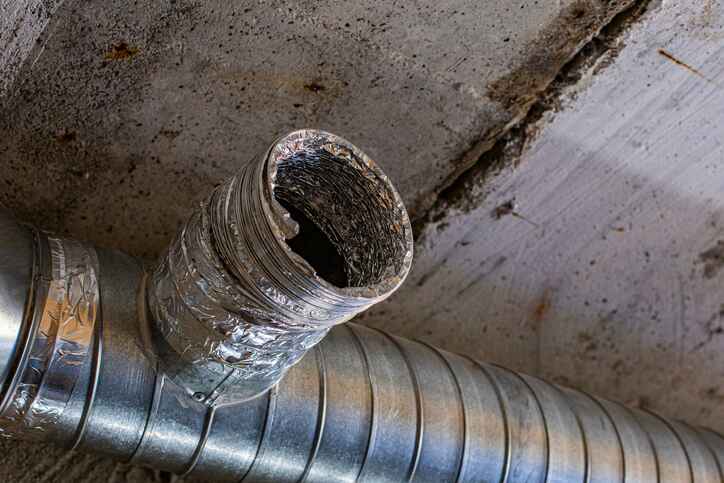
8. Leaking or Disconnected Ductwork
According to Energy Star, the average home loses 20% to 30% of conditioned air through leaks, holes, and poor duct connections. If a major duct connection breaks open in a hot attic or crawlspace, chilled air dumps into unconditioned space while hot, dusty attic air gets pulled into your living areas.
9. Extreme Outdoor Heat Overwhelming the Unit
Standard residential AC systems are sized to cool your home to a specific design temperature (typically up to ~95°F/35°C outside). When extreme heat waves strike, and outdoor temperatures surge past 100°F–110°F, even a healthy, properly functioning AC system will struggle to lower the indoor temperature below a certain point.
10. Refrigerant Overcharge
More is not always better. If an inexperienced technician overcharges your system with too much refrigerant, it raises internal pressure within the compressor. Paradoxically, an overcharged system severely reduces cooling capacity, increases compressor noise, and can trip safety shut-offs.
11. Incorrect System Sizing
If your AC unit is undersized for your home’s square footage, it will run continuously on hot days without ever reaching the thermostat setpoint. Conversely, an oversized unit will short-cycle (turn on and off rapidly), failing to run long enough to lower the humidity or balance room temperatures.
Comparison Table: Causes, Symptoms, and Urgency
| Cause | Key Symptoms | Quick DIY Check | Urgency Level |
| Clogged Air Filter | Weak airflow, dusty vents, warm air | Inspect filter against a light source; replace if opaque. | Low – Immediate low-cost fix. |
| Thermostat/Control Error | AC blows warm constantly; fan runs continuously | Check setting (ensure set to COOL/AUTO, setpoint 5°F below room temp). | Low – Check settings/batteries. |
| Dirty Outdoor Coils | Outdoor unit coated in dirt/leaves, long run cycles | Inspect outdoor unit; gently spray debris off fins with a hose. | Medium – Clean debris; call pro if dirty inside. |
| Duct Leaks / Disconnections | Specific rooms stay warm, dusty air from vents | Inspect exposed ductwork in attic/basement for loose joints. | Medium – Seal minor gaps with mastic tape. |
| Tripped Outdoor Breaker | Indoor fan runs, but outdoor unit is silent | Check main electrical panel for a tripped AC breaker. | Medium – Reset once; call pro if it trips again. |
| Frozen Evaporator Coil | Ice on copper lines, water pooling near indoor unit | Turn AC OFF immediately; let ice thaw completely. | High – Stop use to prevent compressor damage. |
| Low Refrigerant / Leak | Hissing sound, ice on lines, continuous warm air | Look for oily residue on copper connections or ice. | High – Requires EPA-certified technician. |
| Capacitor or Motor Failure | Humming outdoor unit, outdoor fan not spinning | Ensure fan isn’t physically blocked by sticks/debris. | High – Professional electrical repair required. |
| Refrigerant Overcharge | Loud compressor noise, poor cooling efficiency | No DIY fix; symptoms overlap with low refrigerant. | High – Requires licensed tech to recover gas. |
If you are experiencing other issues alongside warm air, review our detailed guide on how to troubleshoot AC problems for broader system diagnostics.
Essential Safety Warnings
Working with HVAC equipment involves high-voltage electricity and pressurized gas. Keep these safety precautions in mind:
- Always Turn Off Power: Always shut off circuit breakers and disconnect switches before inspecting, opening, or cleaning your AC units.
- Never Handle Refrigerant DIY: Federal law requires EPA Section 608 certification to purchase, recover, or add chemical refrigerants. Venting refrigerant into the atmosphere is illegal and environmentally damaging.
- Stop Use for Unusual Smells or Sounds: If you smell a burning electrical odor, see smoke, or hear harsh grinding or metallic screeching, turn off the system immediately to prevent electrical fires or catastrophic mechanical failure.
How to Prevent Cooling Issues with Proactive Maintenance
The best way to avoid coming home to a hot house is AC preventative maintenance.
- Change Filters Regularly: Swap standard 1-inch filters every 30 to 60 days during heavy cooling seasons.
- Keep Outdoor Clearances: Trim plants, shrubs, and trees away from your outdoor condenser.
- Flush the Condensate Drain: Pour a cup of vinegar down your indoor condensate drain line every few months to prevent algae clogs and water damage.
- Schedule Annual Tune-Ups: Have a licensed technician inspect electrical connections, measure motor amps, test refrigerant pressure, and clean internal coils every spring before hot weather sets in.
Get Your Home Cool Again with Service First HVAC & Electrical
An AC blowing warm air can stem from something as quick as a flipped breaker or dirty air filter, or as complex as a failed compressor or refrigerant leak. By following a systematic troubleshooting approach, you can easily rule out basic issues before bringing in expert help.
If you’ve checked your thermostat, replaced your filter, and verified power, but your air conditioner still isn’t cooling your house, don’t sweat through the heat wave. The team at Service First HVAC & Electrical is equipped to diagnose and repair your cooling system quickly, safely, and correctly.
So, if you need reliable cooling back in your home, schedule your professional air conditioning repair tune-up to restore total comfort to your home!